5th Regional Research Conference
August 17, 2026
STREVOW Policy Dialogue with Government
September 14, 2026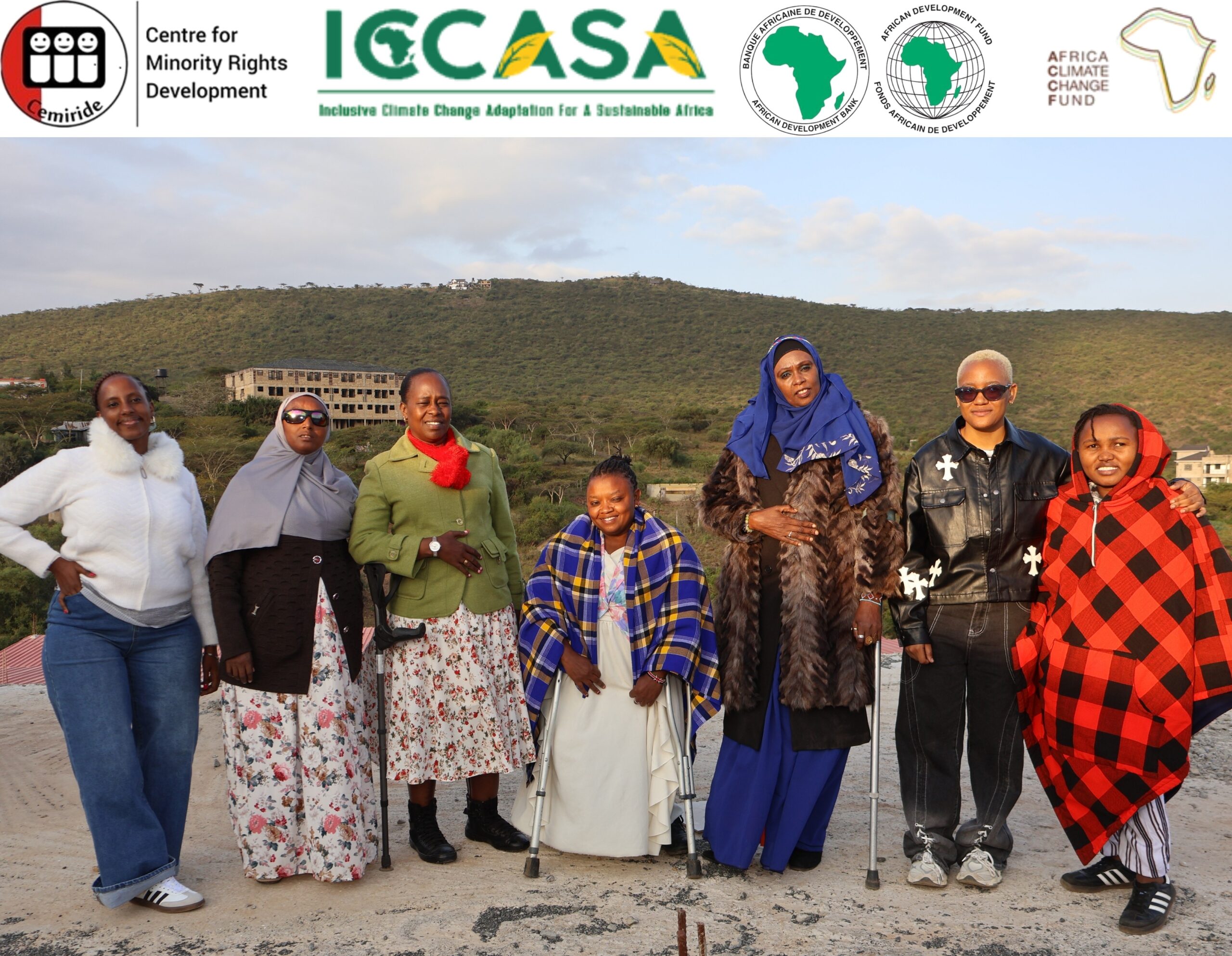
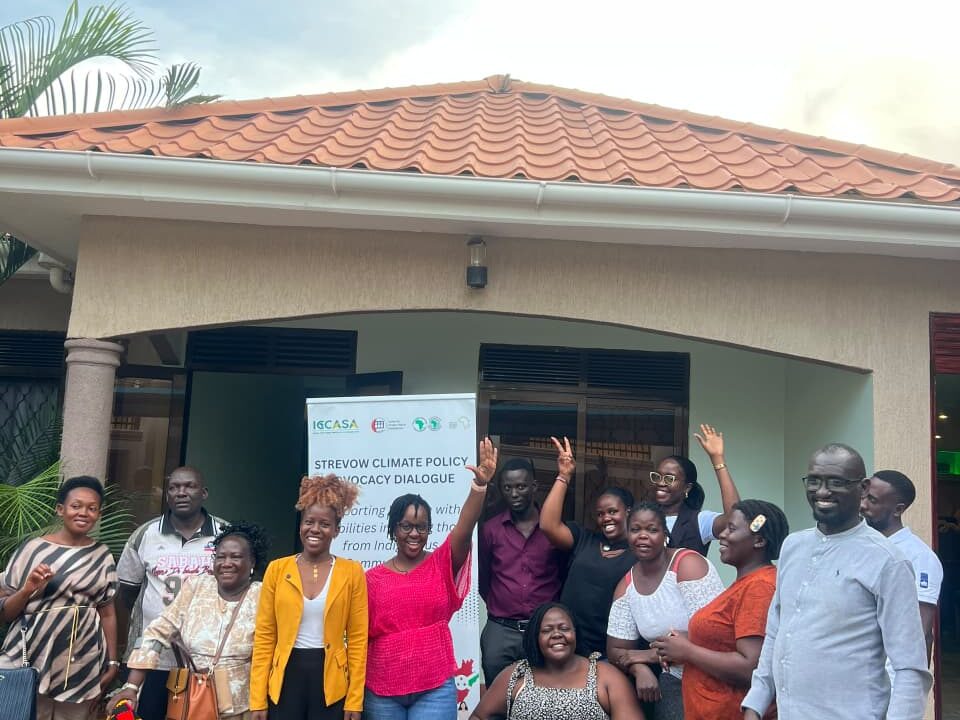
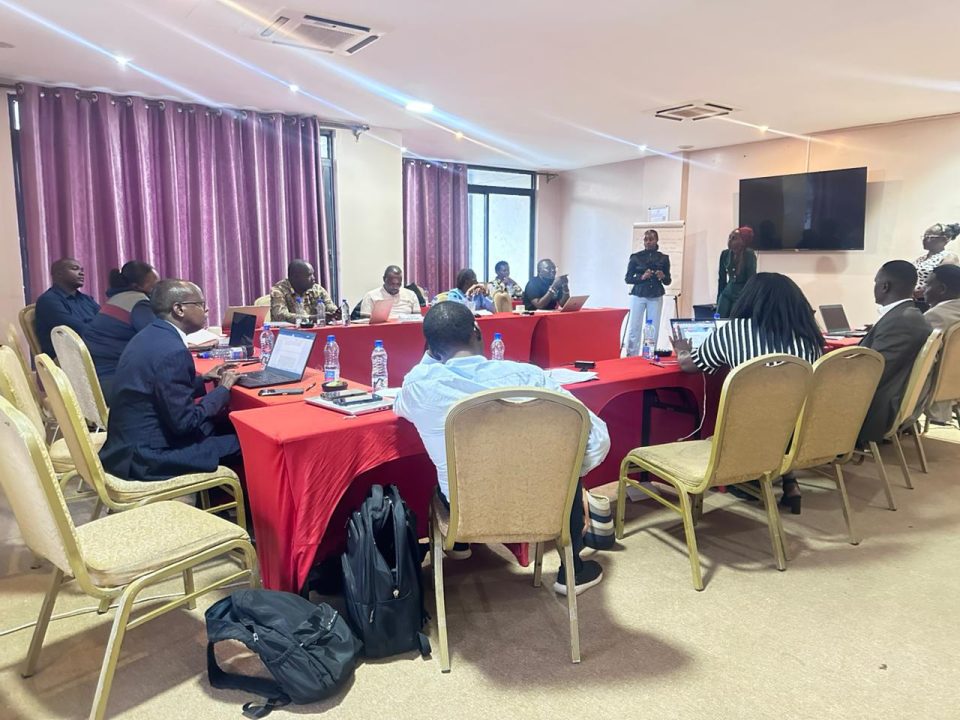
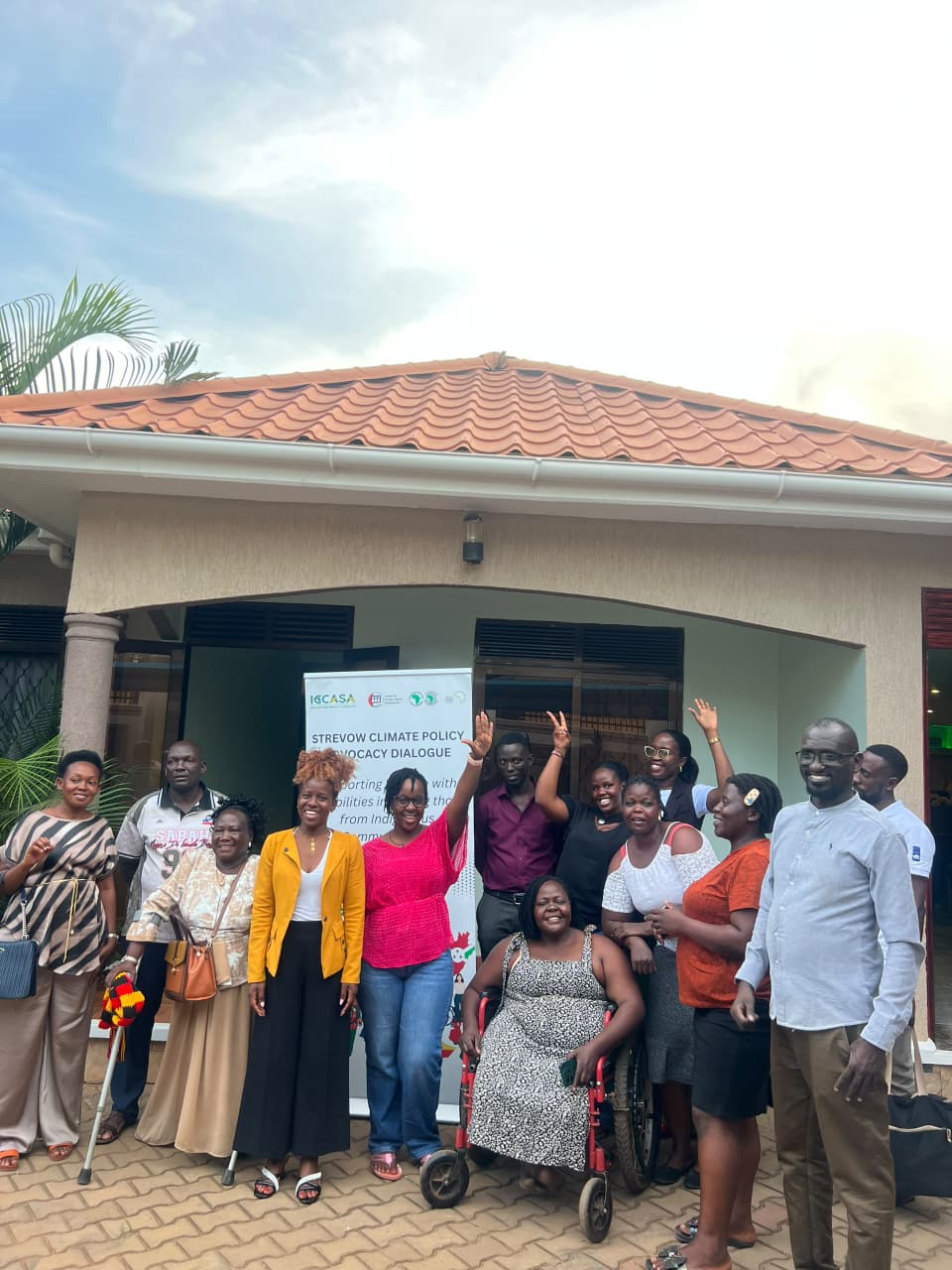
From 29 June to 4 July 2026, Indigenous women with disabilities from Kenya, Uganda, Tanzania, and South Sudan gathered for the Regional Workshop on Strengthening Gender-Transformative Climate Change Adaptation — a training designed not to speak for them, but to equip them to speak, negotiate, and lead for themselves. The workshop was organized by the Centre for Minority Rights Development under its STREVOW project, funded by the Africa Climate Change Fund of the African Development Bank and co-funded by CBM Global, with support from the Adaptation Consortium, Haki Jamii, and the United Disabled Persons of Kenya.
The premise behind the gathering is stark but well documented: climate change does not affect everyone equally. Women bear a disproportionate share of its burdens because of their roles in securing food, water, and fuel for their families, and when disability is layered on top, those vulnerabilities compound. During floods, wheelchairs and crutches get stuck in the mud on evacuation routes that were never built to be accessible; shelters lack ramps or accessible toilets; hearing aids and white canes are lost or destroyed; and stigma means women with disabilities are sometimes simply left behind by their own families in the rush to evacuate. In Kenya, people with disabilities make up a significant share of the population, which made the workshop’s mission concrete rather than abstract. Participants didn’t just learn about climate policy in theory — they mapped these barriers directly onto their own experience of floods and droughts.
A major thread running through the week was demystifying the machinery of climate governance. Facilitators walked participants through Kenya’s Nationally Determined Contributions, the country’s official climate action plan under the Paris Agreement, and traced how decisions flow from international frameworks down to the county and ward-level committees where ordinary citizens can actually engage. The findings here were sobering: while Kenya’s NDC broadly references vulnerable groups and gender considerations, women with disabilities are not named as an explicit priority group, have no dedicated budget line, and no measurable targets attached to their inclusion. Without that visibility, participants learned, funding and programme design will keep overlooking them by default, since visibility in policy is not symbolic but the actual gateway to resources and decision-making power. There were hopeful notes too — counties like Kisumu have begun reserving seats for persons with disabilities on local planning committees, proof that inclusive structures are possible when there is political will.
Beyond policy literacy, the workshop was deliberately hands-on. Sessions covered disability-responsive climate-smart agriculture, accessible early-warning systems, and community-led adaptation strategies. Participants practiced storytelling and advocacy techniques, from oral testimony and public drama to digital campaigns on platforms like WhatsApp, TikTok, and Facebook, learning to frame their experiences for different audiences, from local barazas to national policymakers. Facilitators were emphatic on one point throughout: women with disabilities should not be treated as passive beneficiaries of climate programmes but recognized as stakeholders and leaders capable of designing, implementing, and monitoring their own communities’ adaptation strategies.
The workshop closed with a clear call to governments, development partners, and civil society alike to build continuous capacity for Indigenous women with disabilities on climate governance and financing, to deliver climate information in accessible formats such as sign language, Braille, audio, and easy-read materials, to guarantee seats for women with disabilities in county and national decision-making structures, to direct dedicated financing toward their specific needs, and to embed disability inclusion into every climate policy, programme, and budget rather than treating it as an afterthought. Perhaps the most durable outcome, though, wasn’t a policy document but a network: participants from four countries left not only with new skills but with peer connections across borders, a foundation for continued collaboration long after the workshop closed. The message from Kajiado was simple and hard to ignore — those who carry the heaviest burden of the climate crisis have the clearest insight into how to solve it, and it is time policymakers made room for them at the table.